Recovery 101

Recovery from a substance use disorder is defined as a process of improved physical, psychological, and social well-being and health after having suffered from a substance-related condition.

Stay on the frontiers of
recovery science
with the free, monthly
Recovery Bulletin

l

What is Recovery?


There are several other ways in which recovery can be defined – some, for example, mention the resolution of a substance use problem, while others specify abstinence.


FAST FACTS

PATHWAYS TO RECOVERY

THE BRAIN IN RECOVERY

SPECIAL TOPICS AND RESOURCES


Fast Facts provides 10 of the most important scientifically-grounded facts about recovery. Expand each fact to learn more about the supporting research.


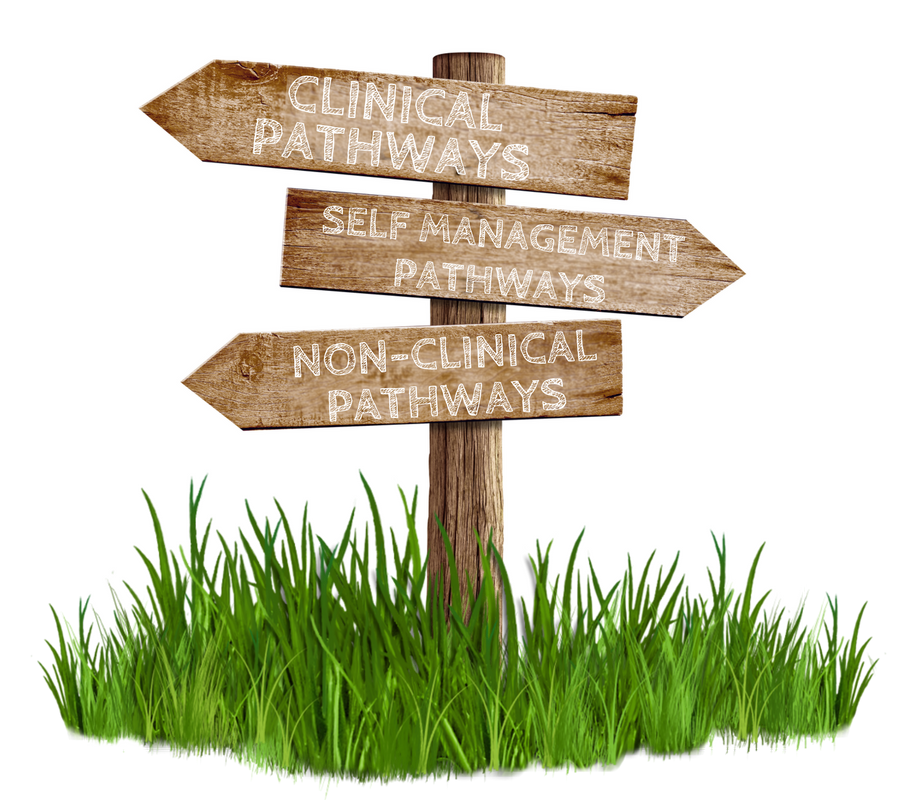
Pathways to Recovery outlines myriad ways (clinical, non-clinical, and self-management) in which individuals with substance use disorders can engage in a process of recovery-related change.


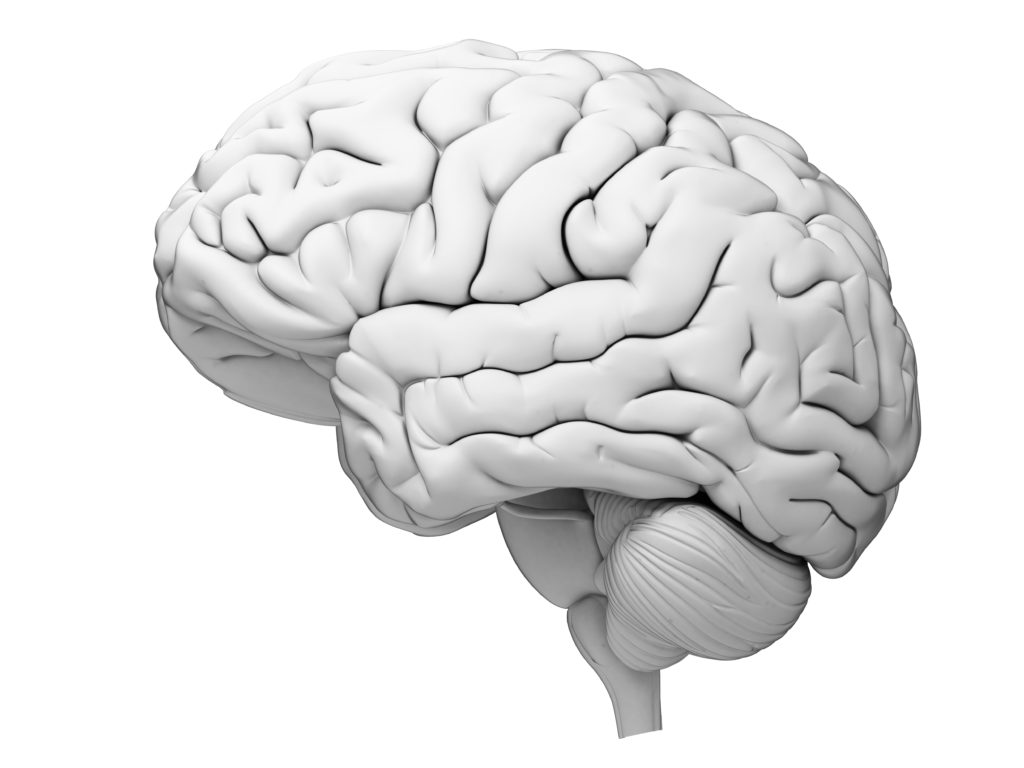
The Brain in Recovery looks at how the brain changes as individuals enter and progress through addiction recovery, exploring the connections between neurobiological processes and recovery-related behaviors.


Special Topics and Resources presents a bank of important topics and additional resources for those in recovery, families, and individuals wanting to learn more about substance use disorder recovery.


Stay on the Frontiers of
recovery science
with the free, monthly
Recovery Bulletin

l

What is Recovery?


There are several other ways in which recovery can be defined – some, for example, mention the resolution of a substance use problem, while others specify abstinence.


FAST FACTS

PATHWAYS TO RECOVERY

THE BRAIN IN RECOVERY

SPECIAL TOPICS AND RESOURCES


Fast Facts provides 10 of the most important scientifically-grounded facts about recovery. Expand each fact to learn more about the supporting research.


Pathways to Recovery outlines myriad ways (clinical, non-clinical, and self-management) in which individuals with substance use disorders can engage in a process of recovery-related change.


The Brain in Recovery looks at how the brain changes as individuals enter and progress through addiction recovery, exploring the connections between neurobiological processes and recovery-related behaviors.


Special Topics and Resources presents a bank of important topics and additional resources for those in recovery, families, and individuals wanting to learn more about substance use disorder recovery.


Share this article

Related Articles and Resources

No related posts found.

l

What is Recovery?


There are several other ways in which recovery can be defined – some, for example, mention the resolution of a substance use problem, while others specify abstinence.


FAST FACTS

PATHWAYS TO RECOVERY

THE BRAIN IN RECOVERY

SPECIAL TOPICS AND RESOURCES


Fast Facts provides 10 of the most important scientifically-grounded facts about recovery. Expand each fact to learn more about the supporting research.


Pathways to Recovery outlines myriad ways (clinical, non-clinical, and self-management) in which individuals with substance use disorders can engage in a process of recovery-related change.


The Brain in Recovery looks at how the brain changes as individuals enter and progress through addiction recovery, exploring the connections between neurobiological processes and recovery-related behaviors.


Special Topics and Resources presents a bank of important topics and additional resources for those in recovery, families, and individuals wanting to learn more about substance use disorder recovery.


Share this article